Case study · 03
Scalable Product Design System
Created A Unified Design Foundation To Improve Consistency, Reduce Repetitive Work, Accelerate Delivery, And Create A Smoother Collaboration Between Designers And Developers.
01—The Problem
Product Design Challenges Across Teams
As the product continued to grow, different screens and features were being designed and developed over time without a unified system.
This created inconsistencies across the product and made it increasingly difficult to maintain a consistent experience.
During the initial audit, we identified several key challenges:
Inconsistency in Page Designs
Different screens and flows were using inconsistent UI patterns, typography, spacing, colors, and component styles. This resulted in an inconsistent product experience.
Delays in Page Creation
Designers were repeatedly creating similar UI elements from scratch, increasing the time required to design and deliver new screens.
Increasing Drop-offs
Inconsistent experiences and unclear UI patterns could impact usability, making it harder for users to navigate and complete important actions.
Development Handoff Issues
Without a shared component library and clear documentation, design handoffs required additional clarification and coordination between designers and developers.
No Proper Brand Guidelines
There was no single source of truth for visual styling, imagery, iconography, component usage, or other product design decisions.

02—UX Strategy
Creating a Unified Foundation for Scale
Instead of solving individual UI inconsistencies one screen at a time, we focused on building a scalable foundation that could support future product growth.
The strategy was to create a shared design language that could be used consistently across teams and products.
Discover
We started by understanding the existing ecosystem and identifying the major gaps.
The discovery phase included:
- * Stakeholder interviews
- * Design audit
- * Feedback collection
- * Competitor analysis
- * Benchmarking industry-leading design systems
The goal was to understand where inconsistencies existed, which workflows were creating delays, and what designers and developers needed from a unified system.
03—Process
Building the System
From Individual Screens to Reusable Components
Based on the research and audit, we began creating the foundation of the product design system.
The focus was not just on creating a component library, but on building a structured ecosystem that could support both design and development.
The system included:
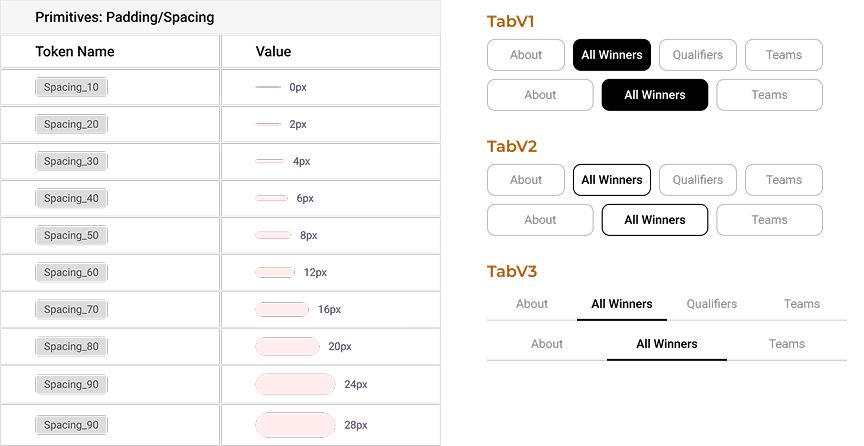
- * Colors and design tokens
- * Typography
- * Spacing and layout principles
- * Buttons and form elements
- * Navigation patterns
- * Progress bars
- * Carousels
- * Reusable UI components
- * Shadows and elevation
- * Imagery guidelines
- * Iconography
- * Do’s and Don’ts
We also created clear usage guidelines to help teams understand when and how each component should be used.
This ensured that the system could scale without creating new inconsistencies.
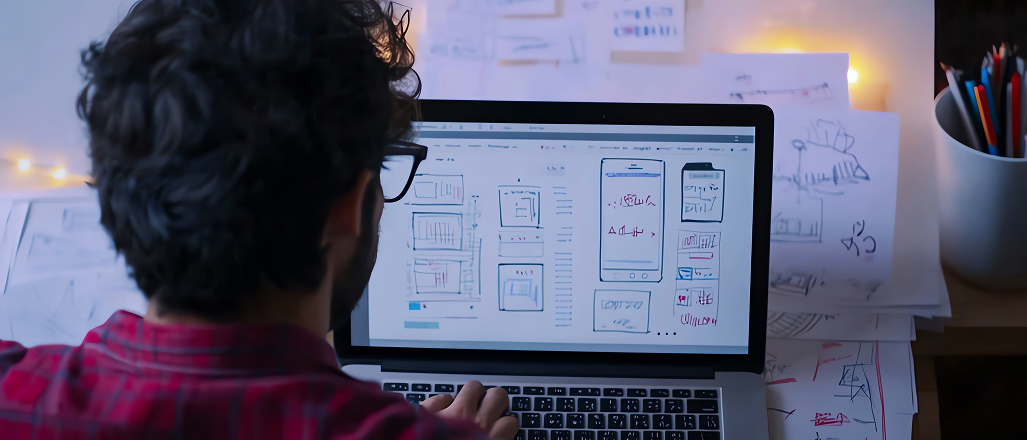
Major Design System Components
This section can showcase the most important areas of the system, including:
- * Foundation
- * Components
- * Patterns
- * Tokens
- * Guidelines
- * Documentation
04—The Framework
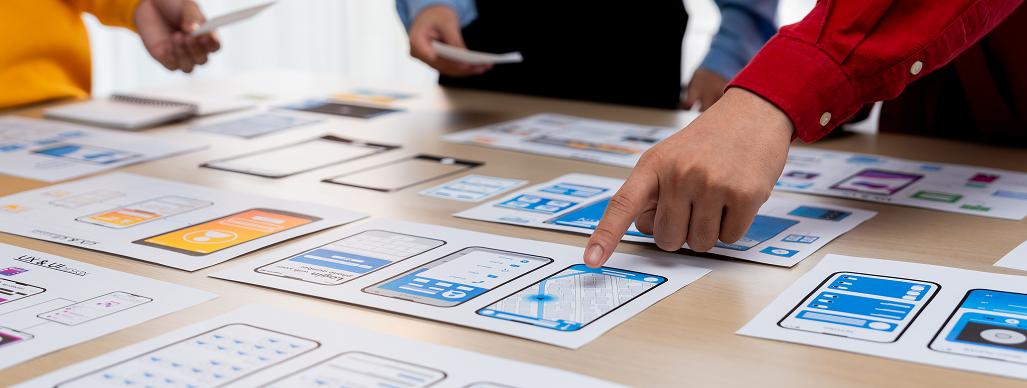
A Structured Design System Workflow
To make the system easier to implement and scale, we divided the complete process into three major stages.
Discover — 7 Days
We conducted stakeholder interviews, audited the existing product, collected feedback, and analyzed competitors.
Key activities:
- * Stakeholder Interviews
- * Design Audit
- * Feedback Collection
- * Competitor Analysis
Design — 45 Days
The core design system was built during this phase.
We created the foundations, reusable components, design guidelines, and continuously iterated based on feedback.
Key activities:
- * Design Foundations
- * Component Library
- * Guidelines
- * Feedback
- * Iterations
Deliver — 10 Days
Once the system was ready, we focused on making it usable across the organization.
The system was handed over to development teams, introduced to designers, and documented for future adoption.
Key activities:
- * Developer Training
- * Designer Training
- * Documentation
- * Publishing
- * Future Challenges
05—Key Metrics & Impact
Measuring the Impact of the Design System
After introducing the unified system, we observed significant improvements across the design and delivery process.
2X Faster Design Delivery
Designers were able to create screens faster by using reusable components instead of designing similar elements repeatedly.
Page Creation Reduced From 4 Hours to 1.5 Hours
The availability of ready-to-use components and predefined patterns significantly reduced the effort required to build new screens.
Development Handoff Reduced From 2 Days to 1 Day
A shared component library and clearer design specifications helped reduce communication gaps during handoff.
150+ Reusable Components Created
A scalable component library was developed to support different product and design requirements.
60% Component Reuse in New Screens
A large percentage of new screens could be created using existing components from the system.
User Task Completion Improved From 50% to 90%
Consistent patterns and clearer UI structures helped create a more predictable and easier-to-use product experience.
Drop-off Reduced From 14% to 2%
Improved consistency and usability helped reduce friction across important user journeys.
Time-to-Market Reduced by 30%
The combination of reusable components, faster design workflows, and improved development collaboration helped accelerate overall delivery.
06—Final Impact
Building a System, Not Just a Component Library
The project helped transform the design process from creating individual screens independently to building from a shared and scalable system.
The design system created a stronger foundation for:
- * Faster product delivery
- * Better design consistency
- * Improved collaboration
- * Reduced repetitive work
- * Faster development handoff
- * Greater component reuse
- * Better user experience
- * Scalable product growth
More importantly, it gave designers and developers a common language and a single source of truth for building the product.
Product Design System